
Benefits of using natural antioxidants in food

The dietary habits of individuals are undergoing a transformation, with consumers increasingly seeking new, healthier, and higher-quality formulas. This shift signifies a growing awareness of food ingredients, including preservatives, additives, and natural antioxidants in food, as people strive to enhance their health through daily dietary choices. In this context, within the realm of food additives, […]
Ana Ugidos at the 2022 IE University graduation ceremony

Last Thursday, December 15, our CEO and founder, Ana Ugidos, was invited to give a speech at the IE University Masters graduation ceremony. We invite you to watch the full ceremony and Ana’s inspiring words to the new graduates (from minute 37:35).
Die EU verbietet endgültig die Verwendung von Ethoxyquin

On August 5, Regulation (EU) 2022/1375 of the European Commission came into force, regarding the denial of authorization of ethoxyquin as a feed additive belonging to the functional group of antioxidants.
TOCOBIOL® Blends, Die beste Alternative zu gemischten Tocopherolen

It is possible to add secondary antioxidants such as ascorbic acid, citric acid, lecithin or flavonoids, which have a synergistic effect together with tocopherols, since they act as regenerators of the primary antioxidant, once it has been used to cut the chain reaction. Taking this into account, we can assume that it is possible to use lower doses of tocopherols when they are combined with other complementary antioxidants.
Upcycled ingredients: a cornerstone for sustainability

Let’s face it, we are at an important crossroads. It is no secret that overconsumption of the earth’s resources (along with the amount of waste produced) is having a detrimental impact on our planet. In addition, climate change, pollution, biodiversity loss and the persistence of hunger and malnutrition have shown us that it is time for all of us to build a more resilient system.
Corporate Social Responsibility
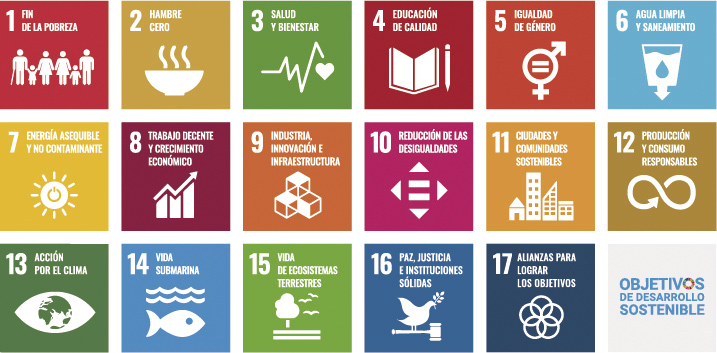
On September 25, 2015, world leaders adopted the 17 Sustainable Development Goals (SDGs) to protect the planet, fight poverty and try to eradicate it in order to build a more prosperous world for future generations.
What is a carbon footprint and how at BTSA we help reduce it

The consequences of climate change, together with the commitment that companies and society have acquired with the environment, have made carbon footprint a fundamental term in the field of sustainability.
Antioxidants and the circular economy

With the current production model, we are depleting natural resources and abusing non-renewable energies which is why the circular economy is gaining so much importance. The objective is to leave behind the linear model and replace it with another that allows product life extension or gives products a second life to reduce the use of […]
Antioxidants to reduce food waste

Food waste is becoming an increasingly important problem around the world. Today, a total of 931 million tons of food is wasted according to the United Nations Environment Program (UNEP), which means that 17% of total food production worldwide goes to the trash. In addition, globally, 112 kilograms of food are wasted per capita (at […]
Use of natural antioxidants in chocolate spreads

Chocolate is a widely used ingredient present in many of our daily foods such as milk shakes, candy bars, cookies and cereals. And although ranked as one of the most favourite flavours in western societies, chocolate remains a product that requires complex procedures to be produced.
Gesetzgebung, Toxizität und Verwendung von Propylenglykol in Tierfutter

American legislation through the FDA considers propylene glycol as a GRAS substance in animal feed, with the exception of its use in cat food. This is because more and more scientific studies confirm that cats experience a type of anemia caused by the formation of Heinz bodies.
Why protect breakfast cereals with natural antioxidants
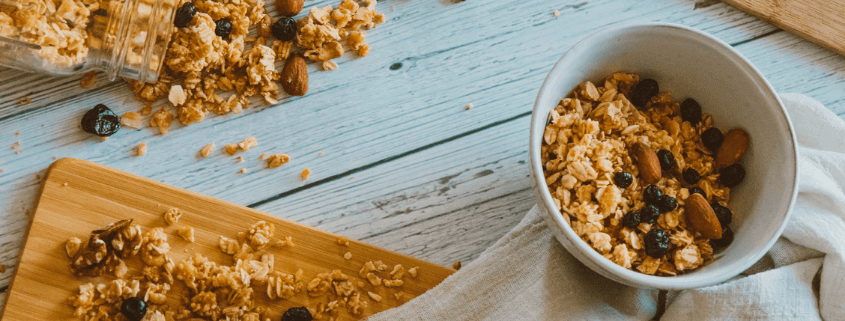
Cereals are one of the pillars of the Mediterranean Diet, providing a large amount of carbohydrates and proteins. In addition, it is recommended to consume whole grains because they concentrate a large amount of fiber, numerous B group vitamins and minerals such as iron, selenium, potassium and magnesium.
Wie man die Stabilität von Guacamole mit natürlichen Antioxidantien erhöht
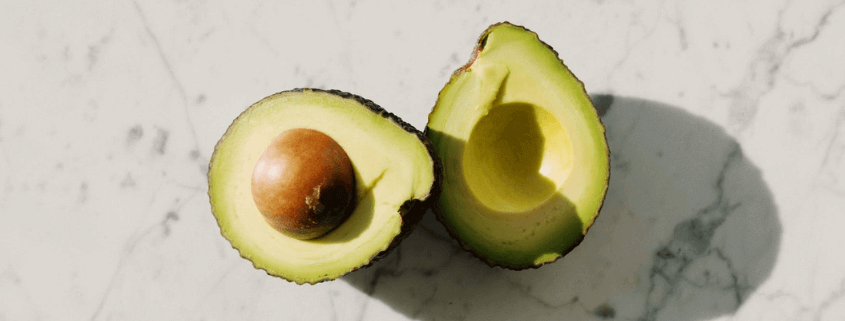
The fat fraction of avocado is mostly monounsaturated, so its consumption helps to reduce the levels of LDL cholesterol in blood and cardiovascular diseases. However, this unsaturated fat is an important handicap when it comes to its conservation.
From pulses to hummus. Types, properties and nutritional composition

In the past, the type of diet gave many clues as to the position of everyone in the hierarchical pyramid of society. As a rule, the diet of individuals belonging to higher strata was based mainly on the consumption of foods of animal origin, especially big game meat. In contrast, the common peoples diet consisted mainly of plant-based foods, such as cereals, pulses, vegetables, and fruit.
Eigenschaften, Verwendung und antioxidativer Schutz von Macadamianussöl in Kosmetika

The fatty acid composition of macadamia nut oil makes it very prone to oxidation and, consequently, to the loss of these benefits. As a solution, and to keep all these nutrients intact so that they can exert their correct function on the skin, the cosmetic industry adds a series of antioxidants, which in most cases are of synthetic origin.
Wie kann man den Verlust von Eigenschaften von Farben und Pigmenten vermeiden?
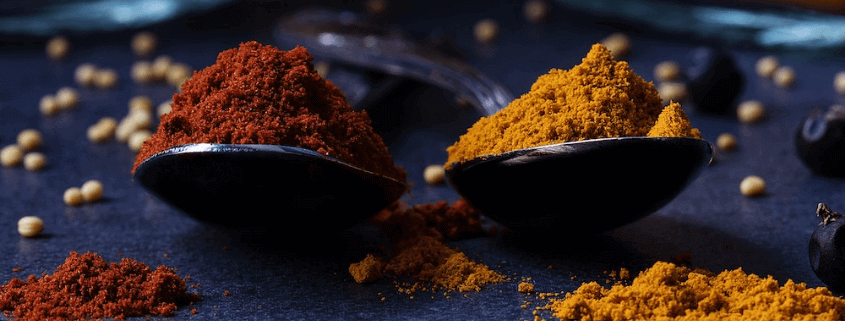
Die Verwendung von Farbstoffen und Pigmenten ist in der Lebensmittel- und Kosmetikindustrie weit verbreitet, um Produkte attraktiver zu machen oder bestimmte Eigenschaften hervorzuheben. Die Verwendung von Farbstoffen und Pigmenten in der Lebensmittel- und Kosmetikindustrie Farbstoffe werden seit der Antike verwendet, hauptsächlich aus Produkten, die in der Natur vorkommen. Mit dem Aufkommen der Lebensmittel- und Kosmetikindustrie […]
Wichtigste Zertifikate in der Tierernährungsindustrie
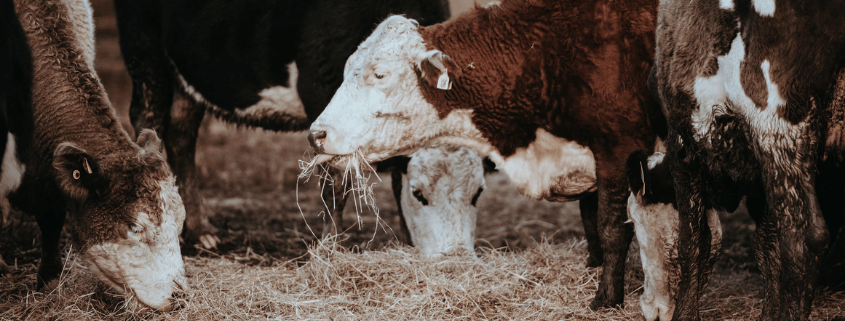
In order to guarantee product quality and food safety, the industry has developed a series of certifications that allow manufacturers of products for animal nutrition to meet these objectives. These certifications regulate producers and traders of feed and its components, as well as its handling and transport.
How to choose a supplier of additives or ingredients? Part 2

In the previous article, we reviewed the first seven factors that must be taken into account when evaluating and selecting a supplier of additives or ingredients. Now, we will see seven new points that should not be forgotten when making such an important decision for your company.
How to choose a supplier of additives or ingredients? Part 1
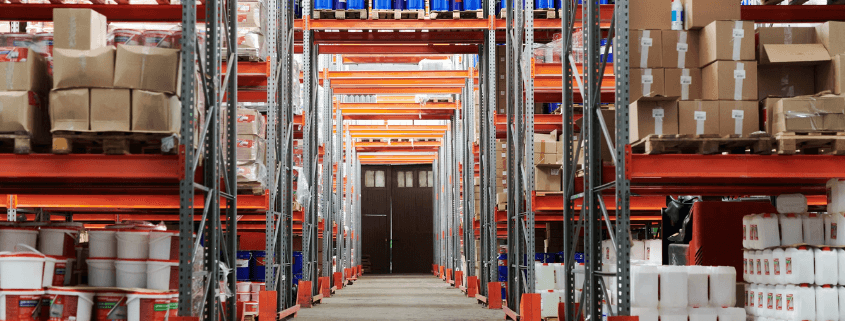
One of the key elements for the prosperity and stability of a company has to do with the choice of its suppliers and the relationship it has with them. That is why it is essential to carry out an identification, investigation and comparison process between the different supplying companies in order to guarantee the right choice.
Why add vegetable extracts to TOCOBIOL®?
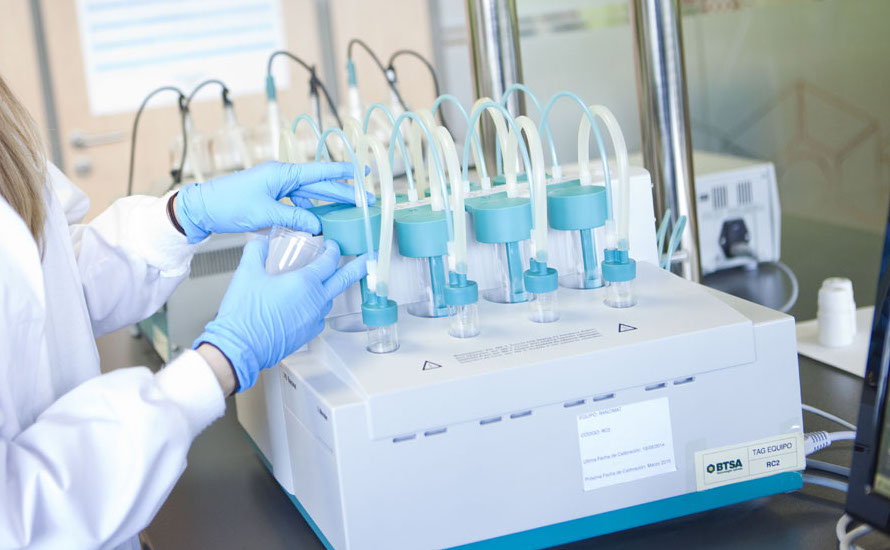
At BTSA, in our R&D laboratory, we are constantly testing new natural solutions for our clients, and one of our main lines of research is the combination of Tocopherols with other vegetable extracts, such as Green Tea Extract.
Types of packaging material used in food
In recent decades, packaging and containers have become an essential element in food purchases. The food is packaged and packed with the aim of being transported and stored.
Arten von Verpackungsmaterial für Lebensmittel
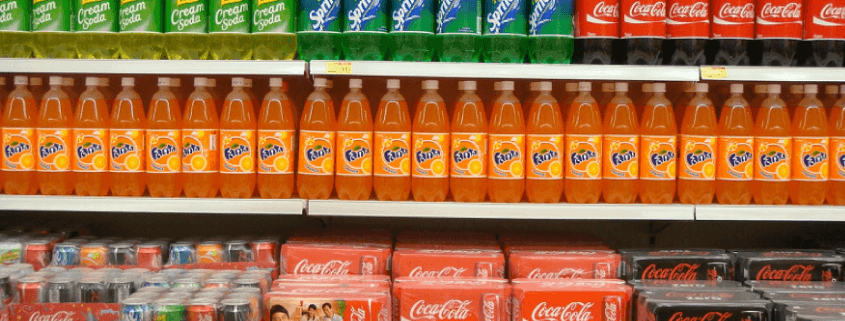
In recent decades, packaging and containers have become an essential element in food purchases. The food is packaged and packed with the aim of being transported and stored.
Die AAFCO und die Inhaltsstoffe für Tiernahrung

The Association of American Food Control Officials (AAFCO) is an association formed on a voluntary basis by local, state and federal agencies responsible for regulating the sale and distribution of animal feed and medicine.
Die wichtigsten Zertifikate der Lebensmittelindustrie

Safety is one of the key factors in the food industry. Both consumers and health authorities demand that the food we consume offer high levels of quality and safety throughout the entire production chain and until its consumption by people.
Wechselwirkungen der Lebensmittelverpackung
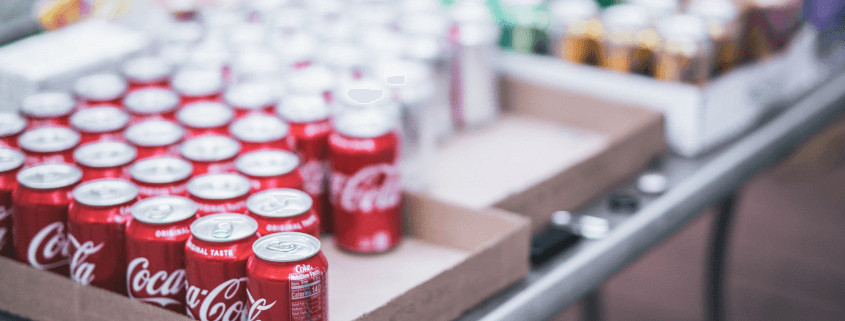
The term packaging refers to any material used to protect a product when it is stored and transported. In particular, food packaging is used to protect food against microbiological, chemical and physical contamination. However, the materials that make up the container can react with the content and cause alterations in the product.
Wichtigste Messen der Tiernahrungsbranche

In general, exhibitions are events promoted by economic agents in a sector where experts share their innovations in order to grow their reputations, and in which visitors can meet new suppliers for their business or simply get up to speed on innovations and trends in its sector.
Wichtigste Ausstellungen der Futtermittelbranche

The exchange of livestock is something that has long existed; the first trading fair of the animal sector as we know it today, goes back to the XII century.
Unterschiede zwischen Nicht-GVO-, ECO- und BIO-Zertifikaten

En la industria alimentaria existe una gran variedad de certificados que garantizan que los alimentos cumplen una serie de requisitos en base a un sistema de certificación.
El certificado es un documento que indica, con un nivel suficiente de confianza, que un producto está conforme a una norma o a otro documento normativo especificado.
Antioxidantien für die Tierernährung

Over the years, the animal nutrition industry has been constantly evolving. In the urban context, it was necessary to set guidelines to achieve and maintain the established production goals and, as early as the 20th century, globalization brought the need to increase competitiveness by incorporating the use of additives.
Technologische und biologische Funktion von Antioxidantien in der Tierernährung

Antioxidants are used as additives to prolong the shelf life of animal feeds, premixes and fats, based on their effect to prevent lipid peroxidation and oxidative rancidity during their production, processing and storage.