
Antioxidants for animal nutrition
Over the years, the animal nutrition industry has been constantly evolving. In the urban context, it was necessary to set guidelines to achieve and maintain the established production goals and, as early as the 20th century, globalization brought the need to increase competitiveness by incorporating the use of additives.
Technological and biological function of antioxidants in animal nutrition
Antioxidants are used as additives to prolong the shelf life of animal feeds, premixes and fats, based on their effect to prevent lipid peroxidation and oxidative rancidity during their production, processing and storage.
Accelerated oxidation tests: the RapidOxy method
The oxidation process that affects the compounds present in foods for animal nutrition alter their qualities, both organoleptic and nutritional, producing a decrease in the useful life of the final product.
Classification of food antioxidants: secondary antioxidants
Secondary antioxidants delay oxidation by chelating metals, regenerating primary antioxidants, decomposing hydroperoxides or eliminating oxygen (Johnson 1971, Labuza 1971 and Gordon 1991).
Main nutrients in the diet for dogs and cats

Nutrition is the sum of processes by which an animal ingests and uses all the substances required for its maintenance, growth, production or reproduction.
Classification of food antioxidants: primary antioxidants
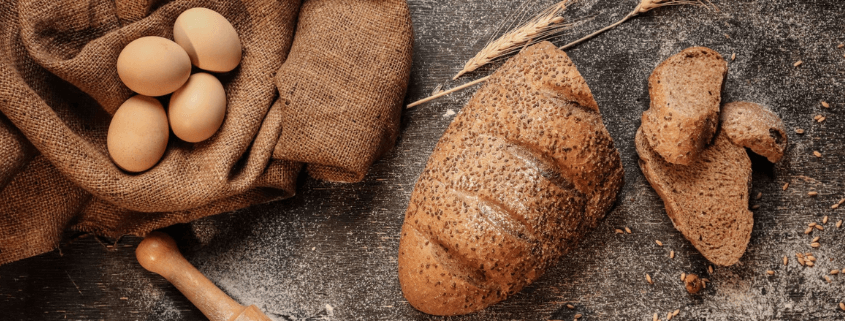
Antioxidants are any substance capable of inhibiting, delayingor preventing the development of rancidity in food or other deterioration of aromas due to oxidation. According to this definition, antioxidants do not improve the quality of food, but their use simply aims to maintain food quality.
Importance of food safety
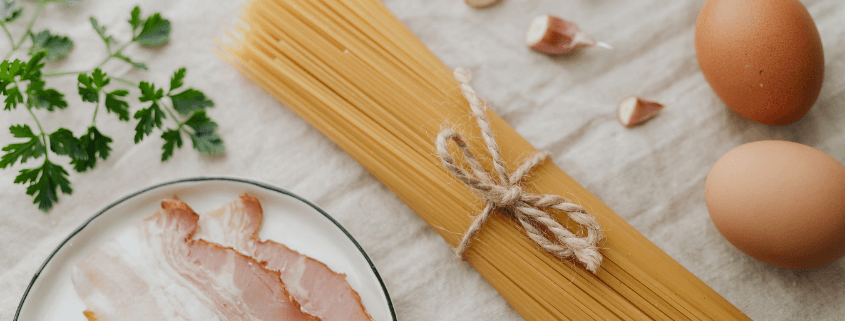
We can define food safety as the set of conditions and measures necessary during the production, storage, distribution, and preparation of food to ensure that its consumption does not represent a risk to the health of people
Physical properties of oils and fats
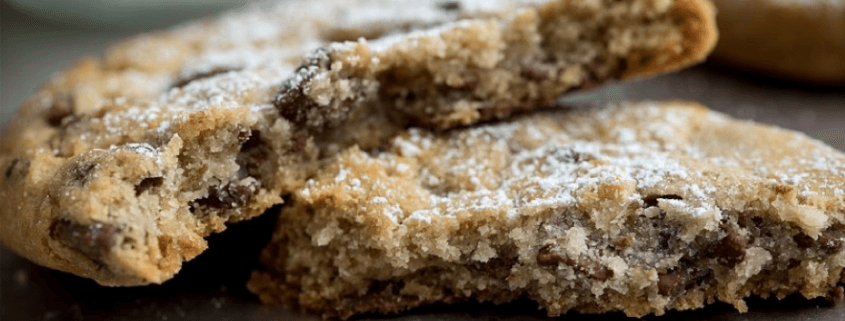
The analysis of the physical properties of oils and fats allows us to understand the behavior and characteristics of these elements, as well as their differences.
Regulation of antioxidants in animal nutrition

According to Regulation (EC) No 1831/2003, antioxidants in animal nutrition will be considered “technological additives” defining antioxidants as: “substances that prolong the shelf life of feed and feed materials, protecting them against spoilage caused by oxidation. “
Methods to determine oxidative stability
The autooxidation of fats is of paramount importance in the food industry as the degree of lipid oxidation has remarkable consequences for the quality of the food.
Packaging and food preservation
There are many causes that negatively influence the quality of food, either by intrinsic factors of the food, such as its nutrient content, water availability, pH, etc., or by extrinsic factors such as temperature of storage, relative humidity, exposure to sunlight and air, handling and processing of raw materials, etc.
Effects of antioxidants in poultry
A large number of articles highlight the importance of antioxidants in animal feed. Its use is justified in order to avoid the appearance of “oxidative stress”, which can cause losses in the productive performance, as well as losses in both nutritional and organoleptic quality of the products derived from them.
In vivo and postmortem effects of antioxidants in cattle
There is a large number of studies that support that, despite the importance of oxygen for life, it also has a toxic effect on the body, known as the “oxygen paradox”, which occurs when free radicals (RL) are generated during mitochondrial respiration.
Accelerated oxidation tests: the Schaal method
The Schaal test, also known as the oven test, was developed for the cookie industry. Through the test it was possible to choose butters that demonstrated the greatest resistance to rancidity.
The Halal Certification in the Food Industry
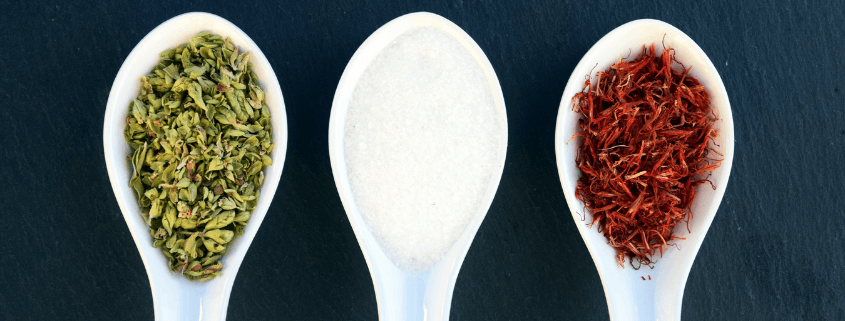
is a concept that covers the set of practices that are allowed by the Muslim religion and, although this term encompasses all kinds of practices, it is commonly associated with food that is acceptable according to Sharia, or Islamic law, being beneficial and healthy practices for people that provide less health risks and an improvement in the quality of life.
Kosher certification in the food industry
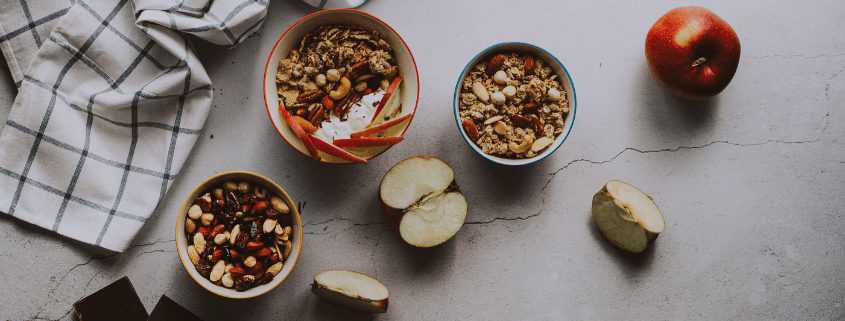
Kashrut (which pronunciation in Yiddish is “Kosher”) means correct or appropriate to be consumed. It refers to the Jewish precepts that determine exactly what food can and cannot be eaten; that is, which comply with the precepts of religion and which do not.
History of antioxidants in food

Throughout history, fats and oils have been a fundamental part of human food due to their nutritional properties, their caloric intake and many other beneficial properties for food.
Food additives and E numbers
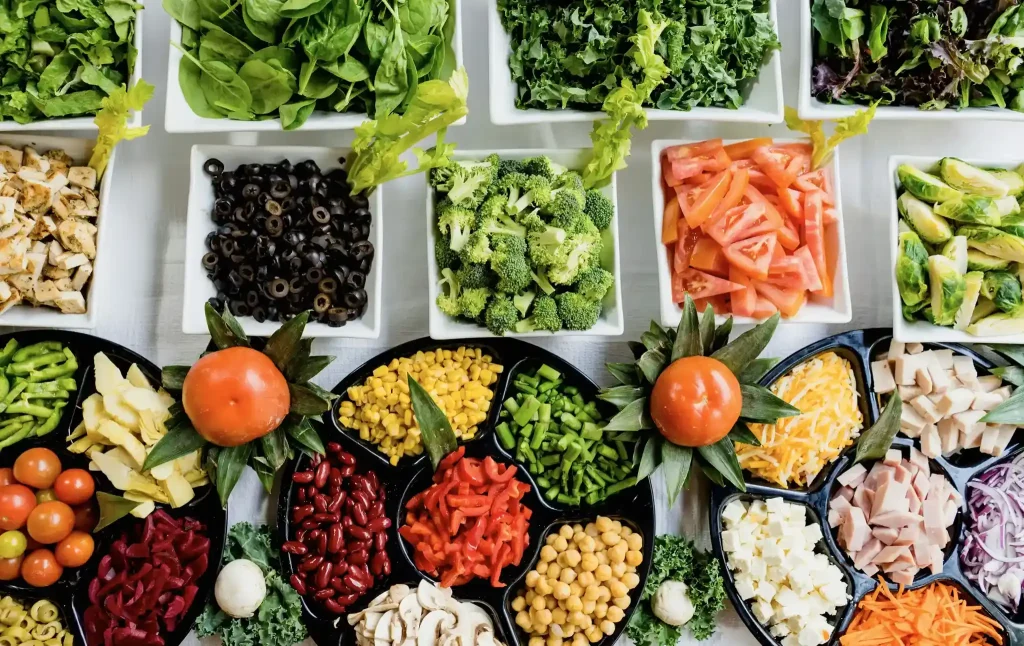
According to AECOSAN, the Spanish Agency for Consumer, Food Safety and Nutrition, “Food additives are substances that are added to foods with a technological purpose (to improve their appearance, texture, resistance to microorganisms, etc.) at different stages of their manufacturing, transportation or storage.
Stabilizing fats and oils. Interview with Víctor León, Head of Laboratory at BTSA
A few days ago, Víctor León Fernández, our Head of Laboratory, was interviewed about the important need to stabilize food fats and oils.
Main exhibitions in the food industry

In this article, we are going to present some of the main exhibitions that are of high interest for food manufacturers for sharing information, networking and learning more between all the agents of the different segments of the market.
Clean Label: facts and trends
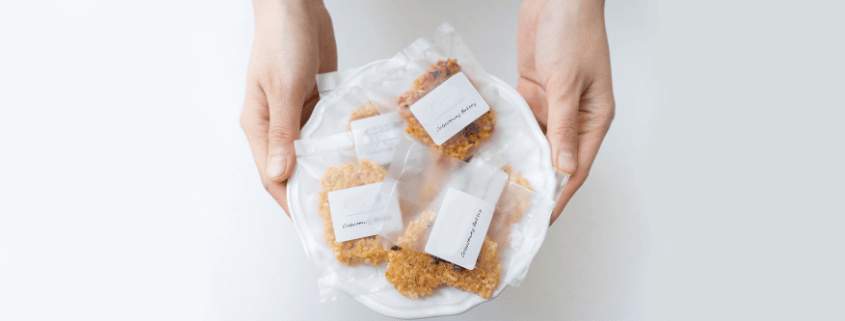
Consumers are increasingly paying attention to the composition of foodstuffs and also how this is communicated in the packaging. Clean Label responds to the growing demand for information and transparency by consumers.
Accelerated oxidation tests: the Rancimat method

The decomposition of vegetable oils and animal fats, which can be perceived in the initial stage through a deterioration of smell and taste, is largely the result of chemical alterations caused mainly by the effect of oxygen.
The oxidation process in fats and oils
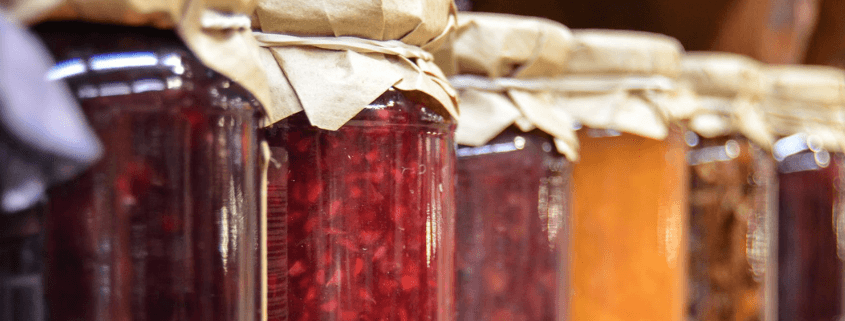
The oxidation of fats is one of the main causes of deterioration of food along with the action of microorganisms. It results in alterations of aroma and flavour, colour, loss of certain nutrients and the formation of potentially harmful substances, which leads to a reduction in the shelf life of the food.
Food additives used by industry
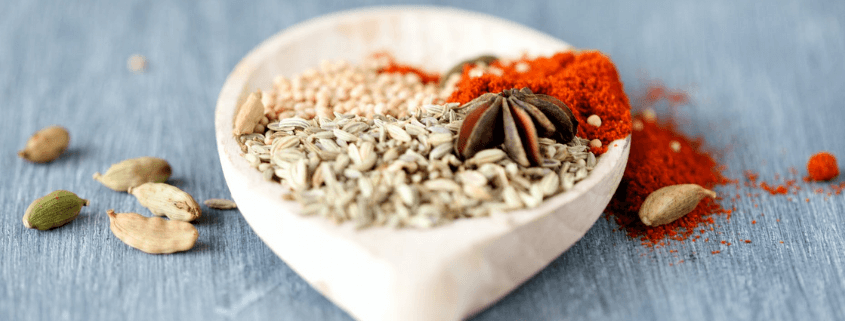
Food additives are substances that are intentionally added to food and beverages in order to modify or stabilise their organoleptic characteristics, to stabilise physical properties, to prolong their shelf life or to correct their components.
What is a natural antioxidant and why is it useful in food?
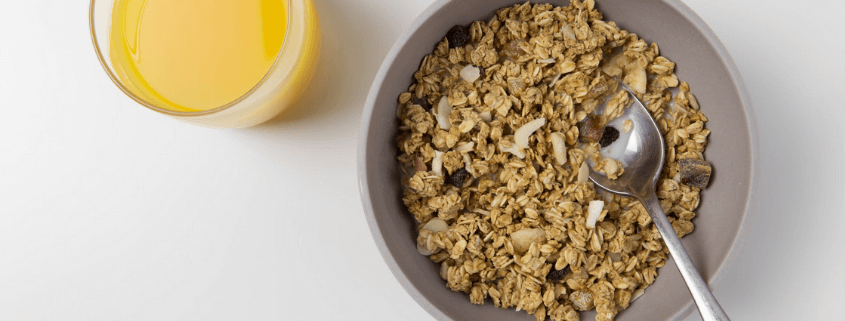
According to the Spanish Food Code, additives are “all substances that can be intentionally added to foods and beverages, with no intention of changing their nutritional value, in order to modify their characteristics, processing or preservation techniques or to improve their adaptation to the use for which they are intended.
Classification of Additives in the Food Industry

Throughout history, mankind has needed to prolong the shelf life of food, modify its organoleptic characteristics or stabilise its physical properties, with the aim of surviving periods of shortage, drought or winters.
Differences between preservatives and antioxidants
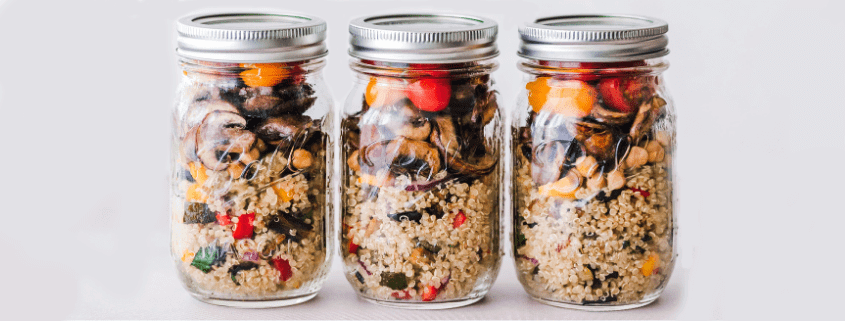
Currently, there is a myth that all food additives are bad and harmful to people’s health, however, the truth is that these products allow people to consume tasty, healthy and safe products.
9 reasons to choose natural Tocopherols

Natural tocopherols were one of the first liposoluble antioxidants isolated from plants. Due to its high concentration and habitual presence in vegetable oils and other plants with high concentration of lipids, Tocopherol is the most common antioxidant in nature.
The most commonly used methods for determining the shelf life of food
Determining the shelf life of processed foods is one of the main problems faced by food companies when launching a product to market, or when modifying some of its ingredients.
Antioxidants in food: myths and truths
Natural antioxidants are part of todays societys daily diet, either intrinsically in some foods that we consume, or added to foods in order to delay oxidative rancidity and lengthen the shelf- life of the product.