
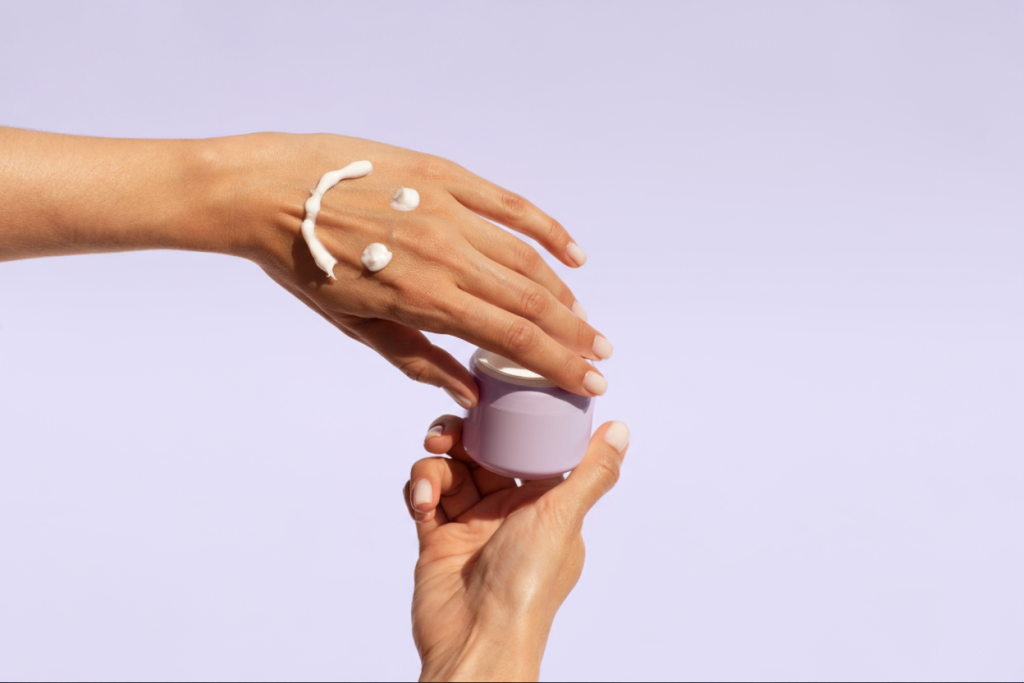
The Challenge: Cold Weather and Hand Skin Damage
During the winter months, our hands are constantly exposed to environmental stressors: low temperatures, cold wind, indoor heating, and frequent hand washing or sanitizing. These factors deplete natural lipids, increase transepidermal water loss (TEWL), and compromise the skin barrier¹⁻².
Dry, cracked hands are more than a cosmetic concern; they reflect impaired barrier function and increased vulnerability to irritants and pathogens³. Consumers are seeking hand creams that go beyond surface hydration, products that actively repair, protect, and strengthen the skin barrier⁴.
For formulators, this represents an opportunity: integrating bioactive ingredients that restore skin health provides a tangible value proposition in a competitive market.
Why Repairing Actives Are Essential in Hand Care Formulations
A healthy skin barrier is the first line of defense against environmental aggressions. When the barrier is compromised, water escapes, lipids degrade, and the skin becomes rough, inflamed, or prone to micro-lesions⁵.
Repairing actives in hand creams aim to:
- Replenish lipid content and strengthen the stratum corneum
- Promote regeneration of damaged skin cells
- Reduce oxidative stress
- Enhance skin hydration and softness
Incorporating these actives ensures formulations are preventive and restorative, addressing both immediate dryness and long-term skin health.
Why Vitamin E Is the Ideal Active for Hand Care
Antioxidant Protection and Free Radical Defense
Vitamin E is a fat-soluble antioxidant that protects cell membranes from free-radical damage caused by UV exposure, pollution, and environmental stress⁶. Its antioxidant properties are essential in preventing premature skin aging and reinforcing the skin’s natural barrier⁷.
Barrier Strengthening and Hydration
Vitamin E supports the structural integrity of the skin barrier, improving resistance against TEWL. By strengthening the lipid matrix, it keeps hands soft, supple, and less prone to cracking during harsh conditions⁵⁻⁶.
Skin Repair and Regeneration
Studies demonstrate that Vitamin E can enhance the repair of damaged skin, accelerating the recovery of micro-lesions caused by dryness, UV exposure, or friction⁴⁻⁵.
High Bioavailability and Natural Sources
Natural Vitamin E (RRR-α-tocopherol) offers superior bioavailability compared to synthetic forms⁸. This ensures optimal absorption and efficacy in formulations. Additionally, Bioxan E from BTSA is available from soy and sunflower sources, providing versatile options for formulation and sustainable sourcing⁸.
Additional Skin Benefits
- Reduces inflammation and irritation
- Enhances overall skin comfort and appearance
- Works synergistically with other antioxidants or barrier-repair ingredients
Introducing Bioxan E from BTSA
Bioxan E is BTSA’s premium Vitamin E active, specially designed for hand-care formulations with repairing properties. Its features include:
- 100% natural and highly bioavailable
- Supports skin regeneration and repair
- Deep moisturizing effect for smooth, soft hands
- Strengthens and protects the skin barrier
- Available from soy‑ and sunflower‑derived sources
Bioxan E allows formulators to create premium hand creams that not only relieve dryness but actively repair and protect the skin, providing visible results even in cold, harsh environments.
Tips for Formulators: Maximizing Vitamin E in Hand Creams
- Optimal Concentration: Use Vitamin E within scientifically supported concentrations to balance efficacy and skin tolerance⁶.
- Combine with Complementary Actives: Pair with humectants like glycerin or barrier lipids (ceramides, cholesterol) for a multi-layered protective effect⁵.
- Stable Formulation: Protect Vitamin E from oxidation during processing using antioxidants and suitable packaging⁸.
- Natural vs. Synthetic Sources: Highlight natural Vitamin E (soy or sunflower) to meet consumer demand for clean, sustainable cosmetics⁸.
- Seasonal Marketing: Emphasize winter-specific benefits, such as repair, hydration, and barrier reinforcement, to align with consumer needs.
Trends in Hand Care and Consumer Expectations
- Rising demand for multifunctional products: Consumers want creams that hydrate, repair, and protect simultaneously.
- Preference for natural ingredients: Plant-derived Vitamin E aligns with eco-conscious trends.
- Scientific validation: Products supported by research (like Bioxan E) gain credibility with formulators and end-users.
Conclusion
Winter hand care requires more than simple moisturizers. Integrating natural Vitamin E, as provided by Bioxan E, empowers formulators to deliver effective, scientifically backed hand creams. These formulations offer barrier protection, hydration, repair, and antioxidant benefits—all essential for maintaining healthy hands during cold seasons.
With BioxanÒ E, your formulations can deliver real value to consumers while staying aligned with trends in natural and functional skin care.
References
- PubMed, The role of vitamin E in normal and damaged skin. (pubmed.ncbi.nlm.nih.gov)
- PubMed, Vitamin E: critical review of its current use in cosmetic and clinical dermatology. (pubmed.ncbi.nlm.nih.gov)
- JK-Risk, Benefits of Vitamin E on the Skin. (jk-risk.org)
- Cleveland Clinic, What Vitamin E Does for Your Skin’s Health. (health.clevelandclinic.org)
- NIVEA UK, How does Vitamin E help with skin repair or protection? (nivea.co.uk)
- DrySkinLove, Benefits of Vitamin E for Dry Skin. (dryskinlove.com)
- Byrdie, Vitamin E Oil Is Intensely Moisturizing for Dry Skin. (byrdie.com)
- BTSA, Natural Vitamin E Bioavailability Benefits. (btsa.com)